




Home > Career Advice > Prepare for your interview in 10 simple steps
Prepare for your interview in 10 simple steps

It's common to feel worried before a job interview. That is how everyone feels. Like every other applicant, you want to wow the interviewer, make an excellent first impression, and demonstrate that you are the ideal candidate for the job. But how do you go about doing that? How do you stand out from the crowd and make a good first impression on the interviewer?
Take a look at this step-by-step approach to improve your interviewing skills and ace any interview!
Step 1
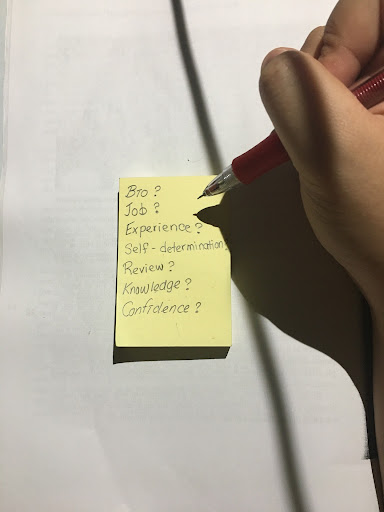
Examine the job. It is a good idea to review the job description before your interview. Use a highlighter to draw attention to important areas of the task.
What is it that this company is seeking? Is this a senior-level or entry-level position? Understand what the position requires in terms of skills, expertise, experience, official qualifications, and work history. Do you meet these requirements? Make a list of these requirements. Work your way through this list, marking each item with a tick or a cross. This will assist you to figure out if you're a good fit for the job.
Step 2
Recognise your abilities. Spend some time studying your major strengths and limitations now that you have a full list of everything the employer is looking for and how well your skills are aligned. You want to be able to highlight your abilities throughout the interview. For instance, if you were a cook being interviewed for a position as a chef at a restaurant, you would want to discuss your culinary talents, how you come up with fresh menu ideas and your famous signature dish. When forced to do so, these things may not come naturally. This is why, before the interview, you should analyse your strengths.
Any deficiencies in your knowledge or skills should be filled. Bringing this up with the interviewer early on demonstrates that you are a trustworthy and self-aware person. Explain to the interviewer that, though you have extensive expertise in areas A, B, and C, D may be challenging for you because you have never worked in D.
Step 3
Analyse the organisation. As an applicant, you must have a fundamental understanding of the company's operations. Do a fast Google search once you're online. Find out who the firm is, when it was founded, what it does, and what its values and principles are.
You must also determine the company's strengths. What do you find appealing about them? What do they excel at? It's a good idea to bring this up in the interview and make a nice statement about the company's success. It is critical, though, that you do not squander half of your interview gushing about how much you adore the organisation. This appears to be desperate.
Step 4
Practice Interview Questions. Set up an hour or so with a family member or friend to practise interview questions with you! This type of role-playing will assist you in formulating great, well-rounded responses to queries. Practising your answers to interview questions can also help you express why you believe this position is a good fit for you, what sets you apart from other candidates, and why you should be considered for it. This will offer you the assurance that you know your own capabilities and talents when you walk into the interview room. Not to mention, this also decreases the chances of having a mind blank or completely fumbling your way through a question.
Step 5
It's a good idea to always have an "interview attire" planned and ready to go in your closet. You won't have to rush to find an outfit on the day of your interview this way. It's not simple to choose an outfit for this occasion. You want to present yourself as professional, polished, and well-kept. In addition, you must make a good initial impression. Both professional and casual employment contexts benefit from a formal, conservative dress. Take a look at these tried-and-true ideas:
For women -

- Neat, freshly pressed button-up shirt with black dress pants or knee-length skirt
- Sweater with black dress pants or knee-length skirt
- Blouse with black dress pants or knee-length skirt
- Button up shirt with blazer or jacket
- Tailored suit (pant or skirt option)
- Statement dress with stockings (ensure neckline and hemline are appropriate)
- Recommended shoes include a plain black heel or black ballet flats Pro Tip: Hair should be neatly combed and tucked away in a bun. Little to no Jewellery. Makeup should appear neat and not dramatic.
For Men -

- Neat, freshly pressed button-up shirt with dress pants
- Black/Grey/Navy suit and tie
- Blazers, sports coat or jacket with button-up shirt with dress pants
- Sweater with button-up shirt with dress pants
- Bow ties and ties with conservative colours and patterns
- Recommended shoes include black, brown or grey formal shoes and black socks
- Recommended shoes include a plain black heel or black ballet flats Pro Tip: Hair should be neatly combed and tucked away in a bun. Little to no Jewellery. Makeup should appear neat and not dramatic.
Pro Tip: Hair should be neatly combed and off the face. Take out any piercings and cover up all tattoos.
Step 6
You must know where you are going before you depart for your interview! Use an app like Google Maps to enter the company's address and have your straight route plotted out for you. You can travel by automobile or public transportation, and Google maps will show you the quickest route and an estimated arrival time. It's best to arrive 10-15 minutes early for your interview to prevent being late and demonstrate to your possible employer that you're on time. Arriving late for an interview can jeopardise your chances of landing a job — no one wants to be kept waiting!
Step 7
What Should I Bring? Knowing what to bring to your job interview is crucial. What happens if the interviewer requests something that you don't have? To avoid this embarrassing situation, make sure to bring the following items to the interview:
- A duplicate of your resume
- Your list of references
- A list of questions for your employer
- A portfolio of your work
Pro tip: Avoid bringing these things to the interview! It looks very unprofessional. Gum, takeaway coffees, your mobile phone.
Step 8
How to maintain your confidence during an interview. Keep your cool, stay calm, and collected.Greeting the receptionist and all other personnel, you encounter politely and cheerfully will help you not reveal how scared you are. Instead of looking through social media while waiting for the interviewer, look over your CV or strike up a conversation with others. When you meet the interviewer, give him or her a firm handshake and maintain eye contact while conversing. When it comes to first impressions, body language is crucial. Keep your feet on the floor, sit up straight in your chair, and pay attention. To guarantee that you answer all questions appropriately and diligently, you should attentively listen to the interviewer.
Pro Tip: Don’t slump, slouch or slide down your chair. It is disrespectful and might look like you’re uninterested.